1. Why proper storage is essential for analytical purity
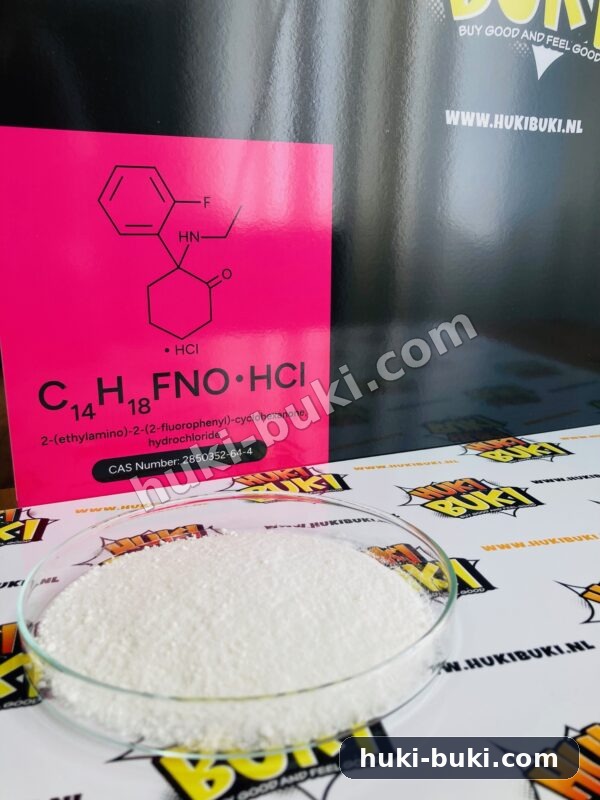
When chemical reference materials such as CanKet, O-PCE, or DMC are exposed to ambient heat, light, or air moisture, degradation and hydrolysis can occur. To maintain reproducible chromatographic peaks and a tested analytical purity of 98.8 percent or higher, strict climate control is mandatory.
2. Step 1: Temperature control and thermal stability
Keep your reference standards in an environment with minimal thermal fluctuations. While dry hydrochloride salts remain stable at room temperature (15 to 20 degrees Celsius), long term preservation over multiple months benefits from refrigerated storage between 2 and 8 degrees Celsius. Keep samples well away from heating vents and direct sunlight.
3. Step 2: Moisture prevention and active desiccants
Most synthetic research chemicals are hygroscopic, drawing water molecules directly from atmospheric humidity. Moisture leads to crystal clumping and hydrolytic breakdown. Store all compounds in airtight mylar foil pouches or sealed borosilicate glass vials containing active silica gel packs. Reseal immediately after gravimetric sampling.
4. Step 3: UV light protection and inert containers
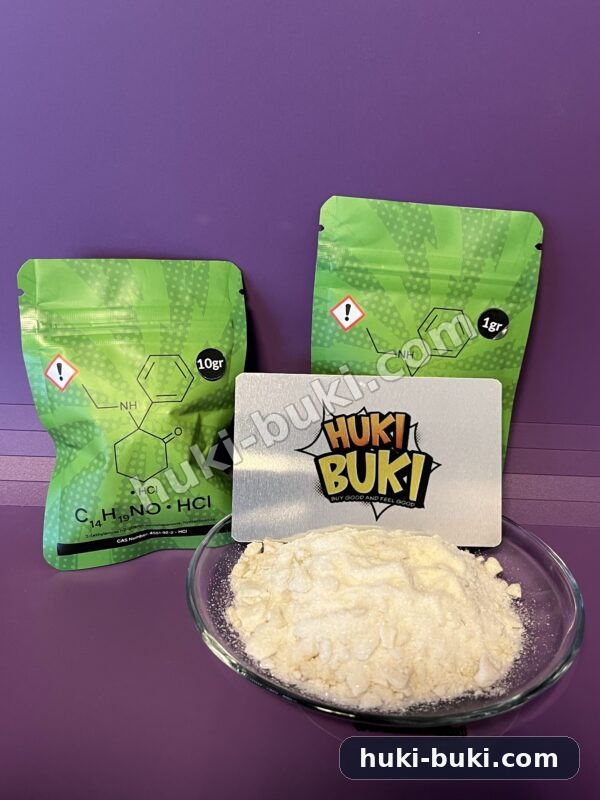
Ambient ultraviolet radiation can initiate photolytic degradation in aromatic ring structures. Reagents must be stored in amber glass or completely opaque foil containers. HukiBuki barrier envelopes are engineered with complete UV opacity to safeguard molecular integrity.
5. Step 4: Sample labeling and shelf life
Every laboratory vial should be labeled with its chemical name, CAS registry number, batch code, and date of first opening. Under these optimal storage conditions, unopened HukiBuki analytical standards maintain their certified analytical profile for at least 24 to 36 months.
Poskytnuté informace slouží výhradně pro analytické, vzdělávací a vědecké účely. HukiBuki dodává reagencie výhradně jako chemické referenční standardy. Žádný z našich produktů není určen ke konzumaci.